
PROCESS
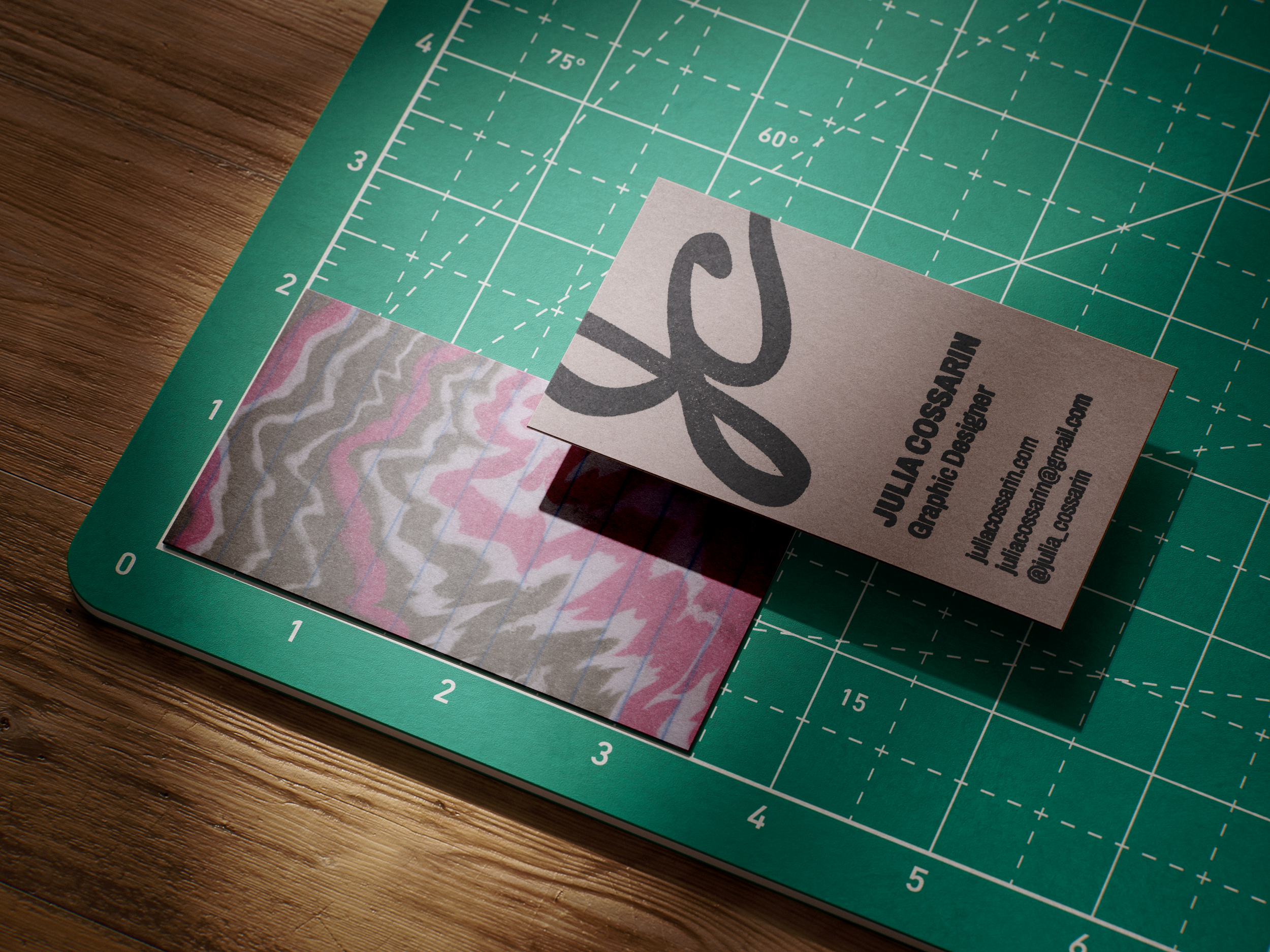
Hand-Printed Business Cards
Part 1
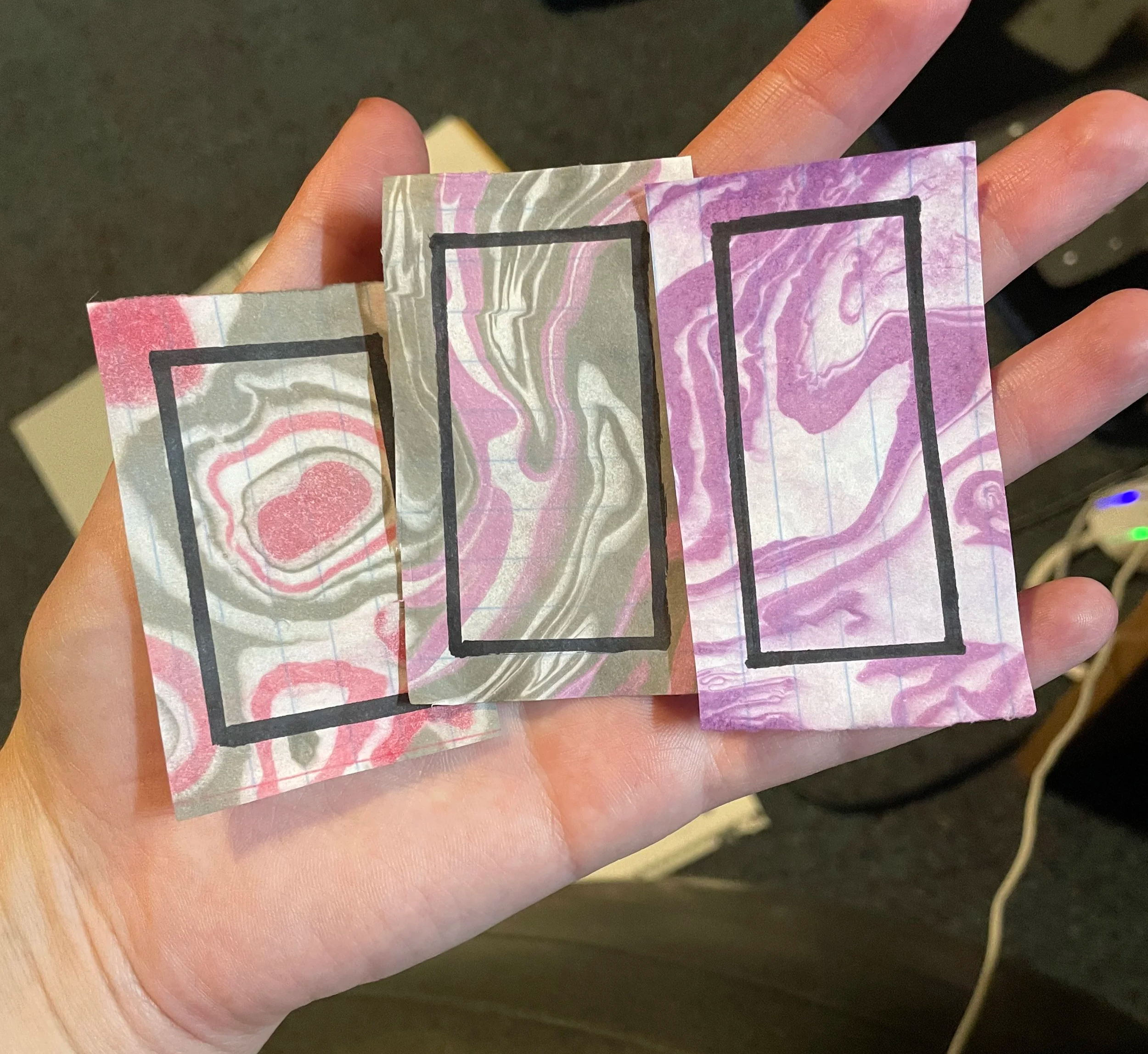
After researching the paper marbling process, I found that achieving the best results required specialized equipment and materials that I neither had nor could realistically acquire within the project's timeframe. Instead, I experimented with the materials I already had on hand.
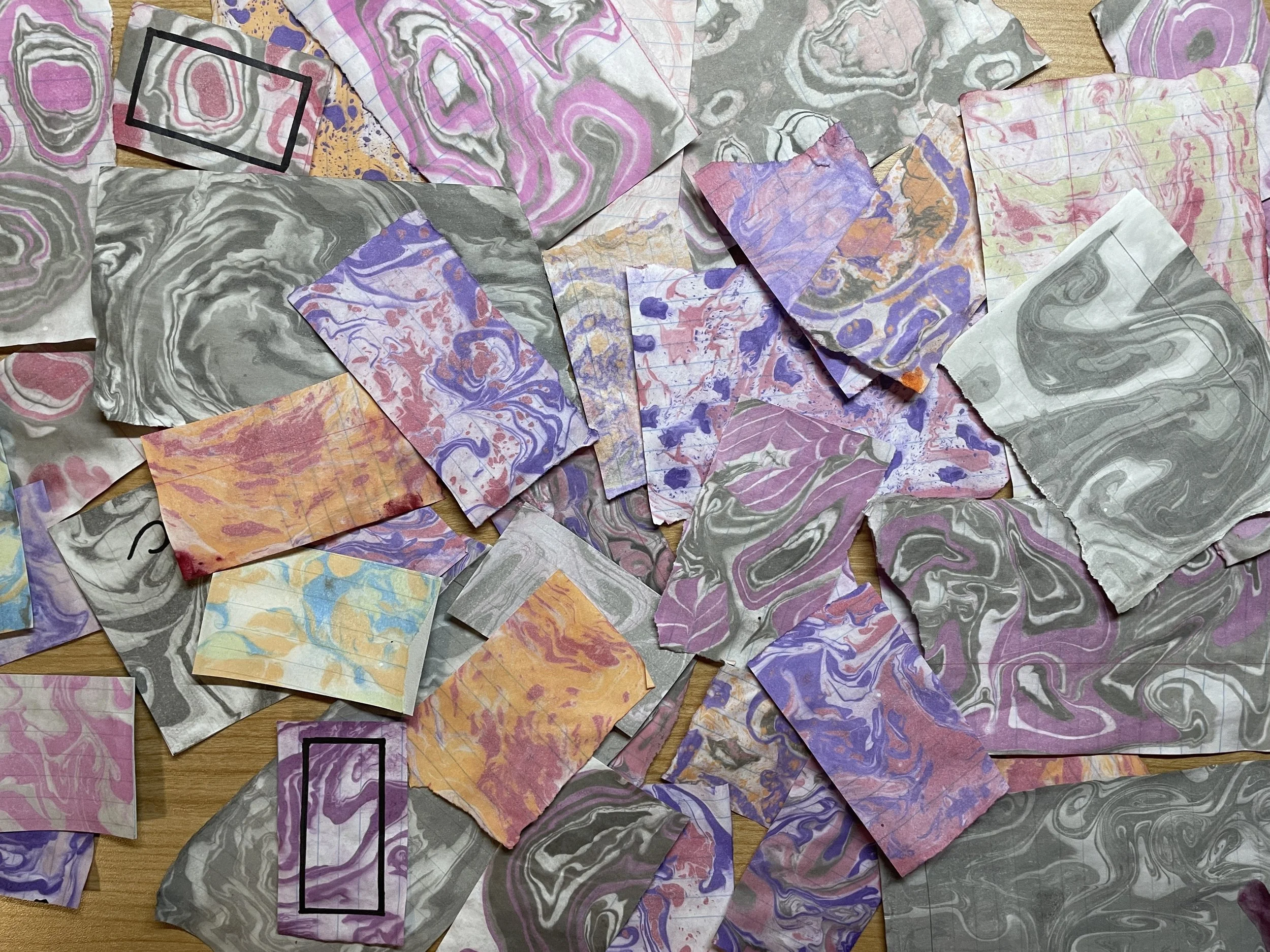
I found that concentrated watercolour paint produced the most vibrant colours, while black India ink created a nice range of greys. Of all the colour combinations I tried, grey and fuchsia appealed to me the most. However, despite my efforts to keep the pigment highly concentrated, the fuchsia often appeared as a much lighter pink.
Part 2
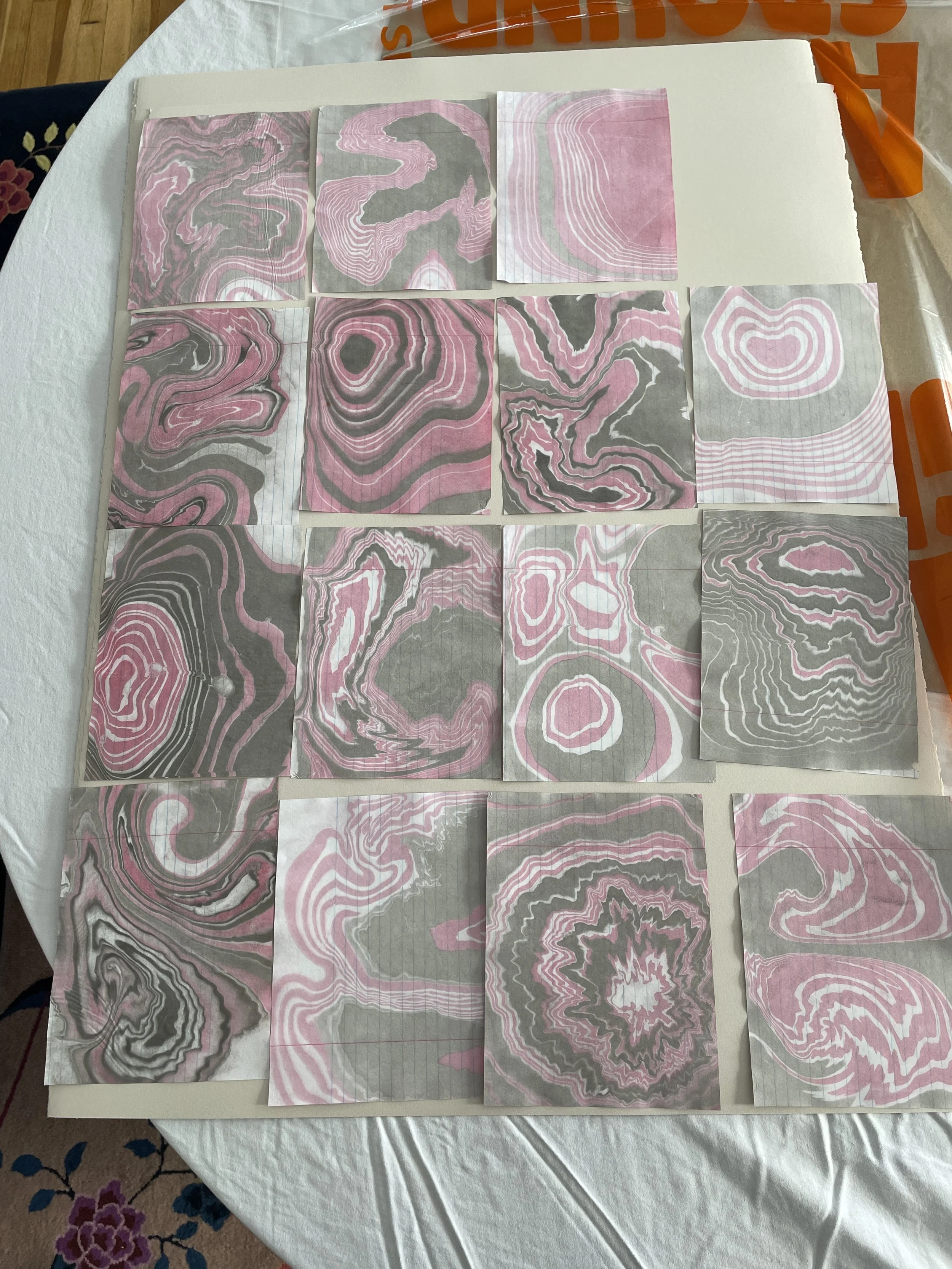
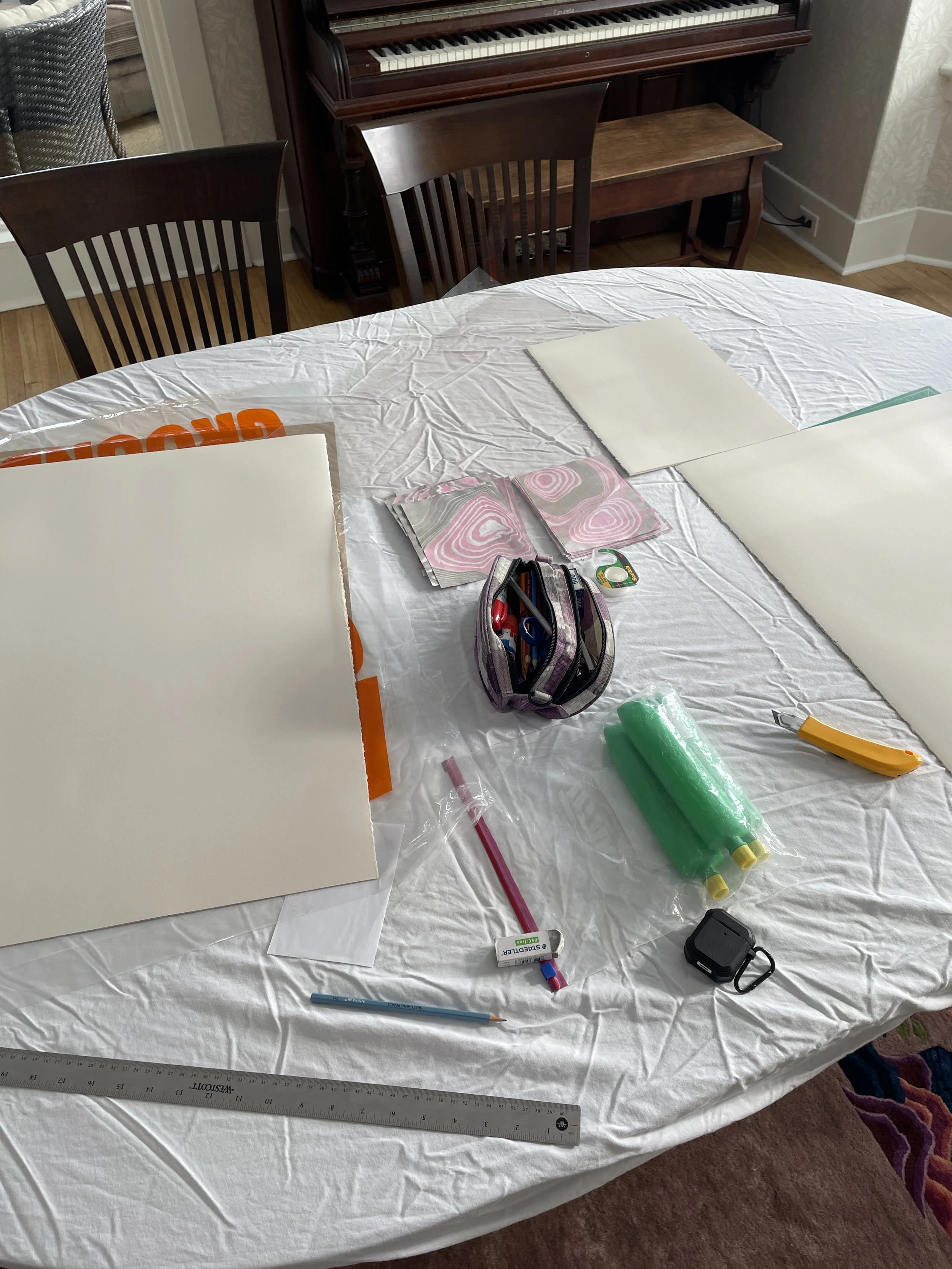
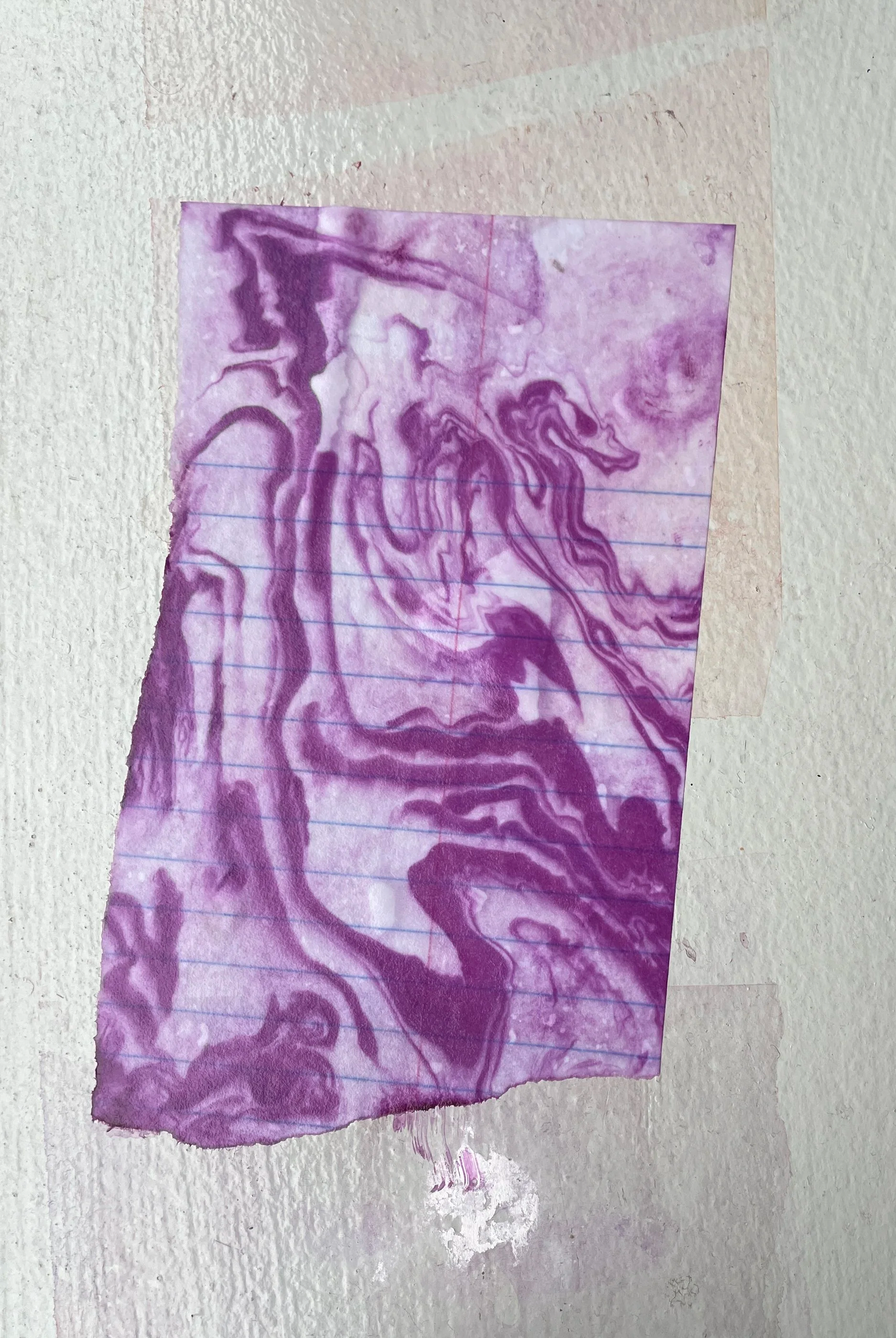
Standard lined paper proved to be the most effective surface for marbling because its thin, uncoated texture readily absorbed the pigments, capturing the patterns with minimal fading or shifting.
However, its thinness meant that it needed to be mounted onto a more durable backing. I used rice paste and applied pressure to laminate the marbled paper onto rag paper. Once dry, I cut the layered sheets into business card–sized pieces.
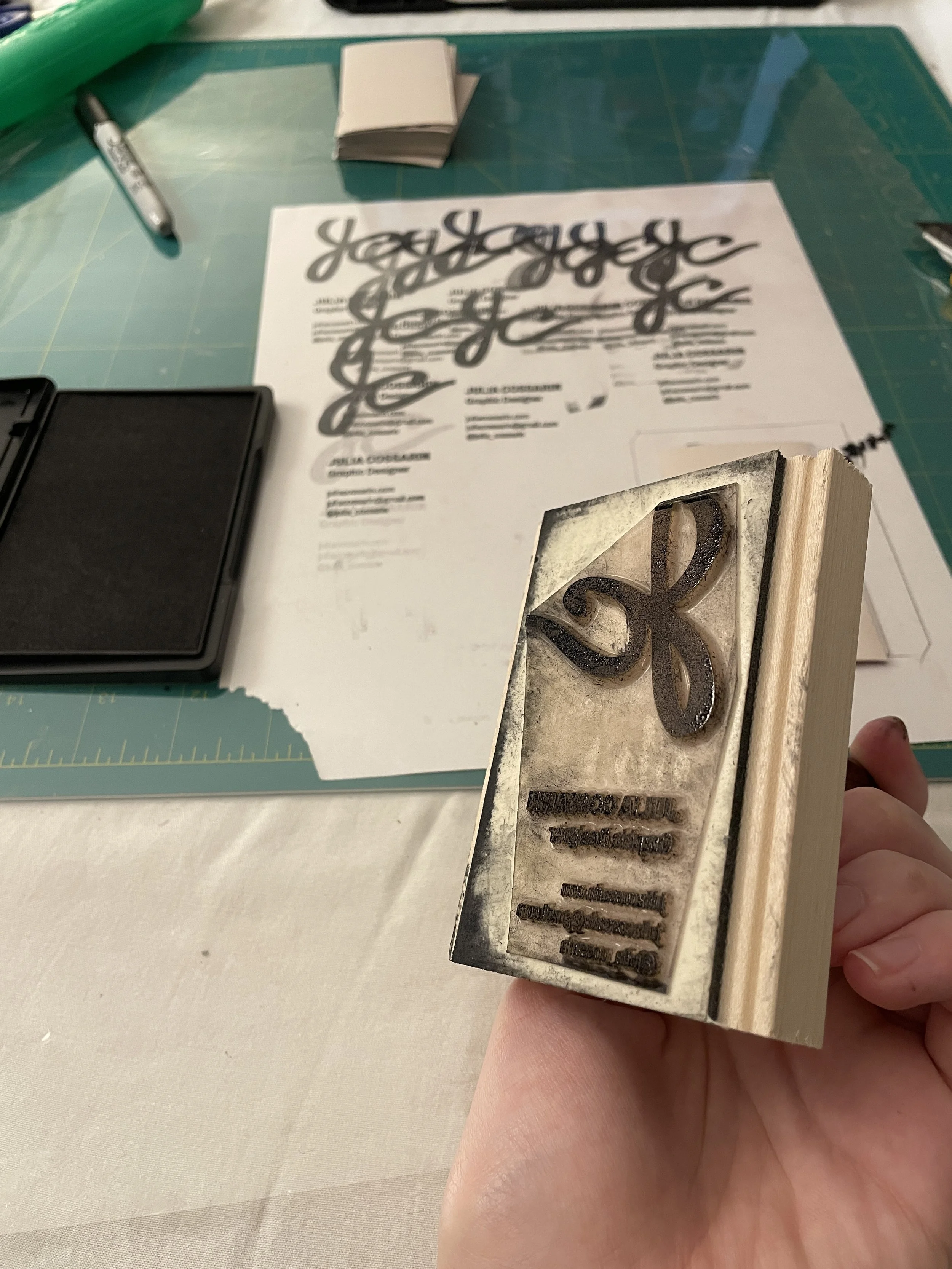
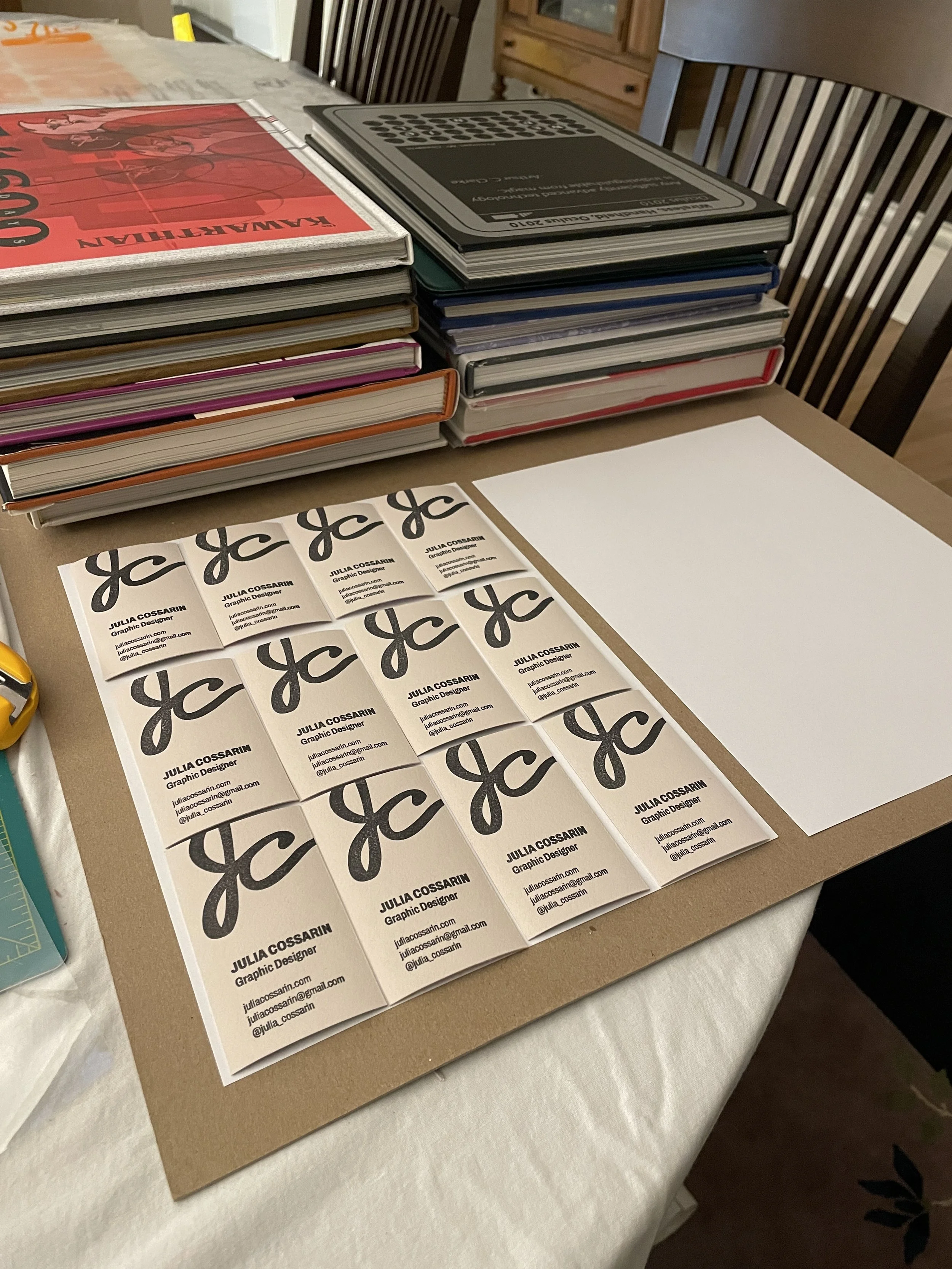
The final step was to have my design for the back of the cards made into a custom rubber stamp, which I then used to stamp each of the 250+ cards by hand.